As readers mourn the passing of ‘Two-lee Sahib’, we read his books, ‘No Full Stops in India’ and others. The veteran journalist reported for the BBC between 1965 to 1994 on momentous events including the liberation of Bangladesh and the assassination of Indira Gandhi
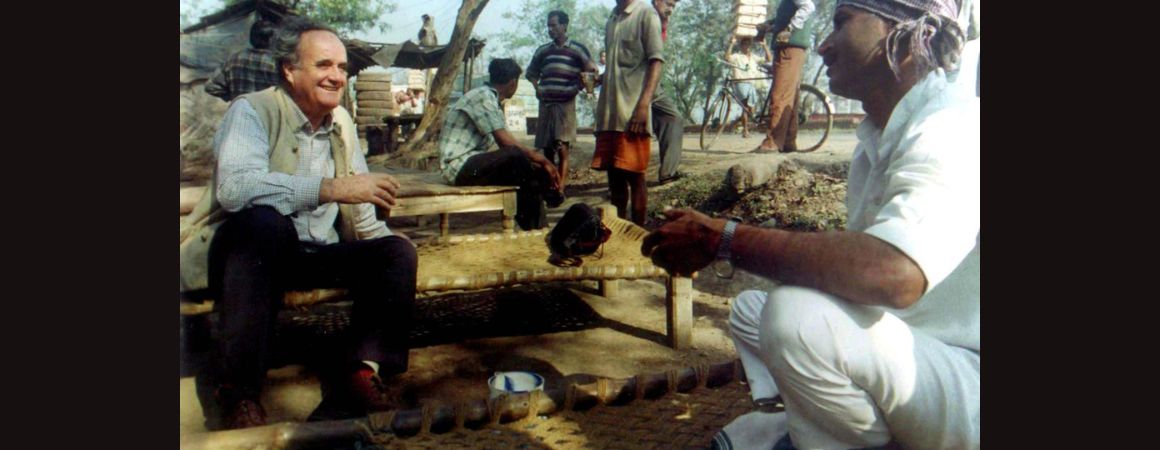
For decades, Mark Tully, the BBC correspondent in India, who made his home here, was the man who brought news of India, not only to his listeners in the U.K. and elsewhere, but to Indians themselves. This was not because there was any dearth of journalists, daily newspapers and periodicals in India that could chronicle the times, but because the state controlled the airwaves, both television and radio.
The BBC, available on shortwave radio, was one of the only alternatives to a nation obsessed with the news. Tully, who passed away on January 25, had lived in India as a child, and benefitted from the times he reported for the BBC (1965-1994), for a number of reasons. To begin with, those were times of momentous, nation-altering stories in the region he covered: Bangladesh’s liberation, Pakistan Prime Minister Zulfikar Ali Bhutto’s hanging, the Soviet invasion of Afghanistan and the U.S.-Pakistan funding of the Mujahideen to defeat them.
Emergency, and after
In India, he covered the Emergency (he was expelled by PM Indira Gandhi for his reportage for more than a year before he returned); Mrs. Gandhi’s assassination and the anti-Sikh riots; the assassination of former PM Rajiv Gandhi; the Babri Masjid demolition; and the liberalisation of the economy. It was a time when a foreign correspondent in the subcontinent led a charmed existence — access everywhere, big stories to cover, an ease of conversation with the leadership at the top, and budgets that allowed, in fact, encouraged correspondents to “go to the ground”.
Those were also times when India was emerging out of a post-independence shell and slowly moving towards its economic potential, which made every colourful story, from a local wedding to the Kumbh mela, one of great curiosity to his viewers and listeners abroad.
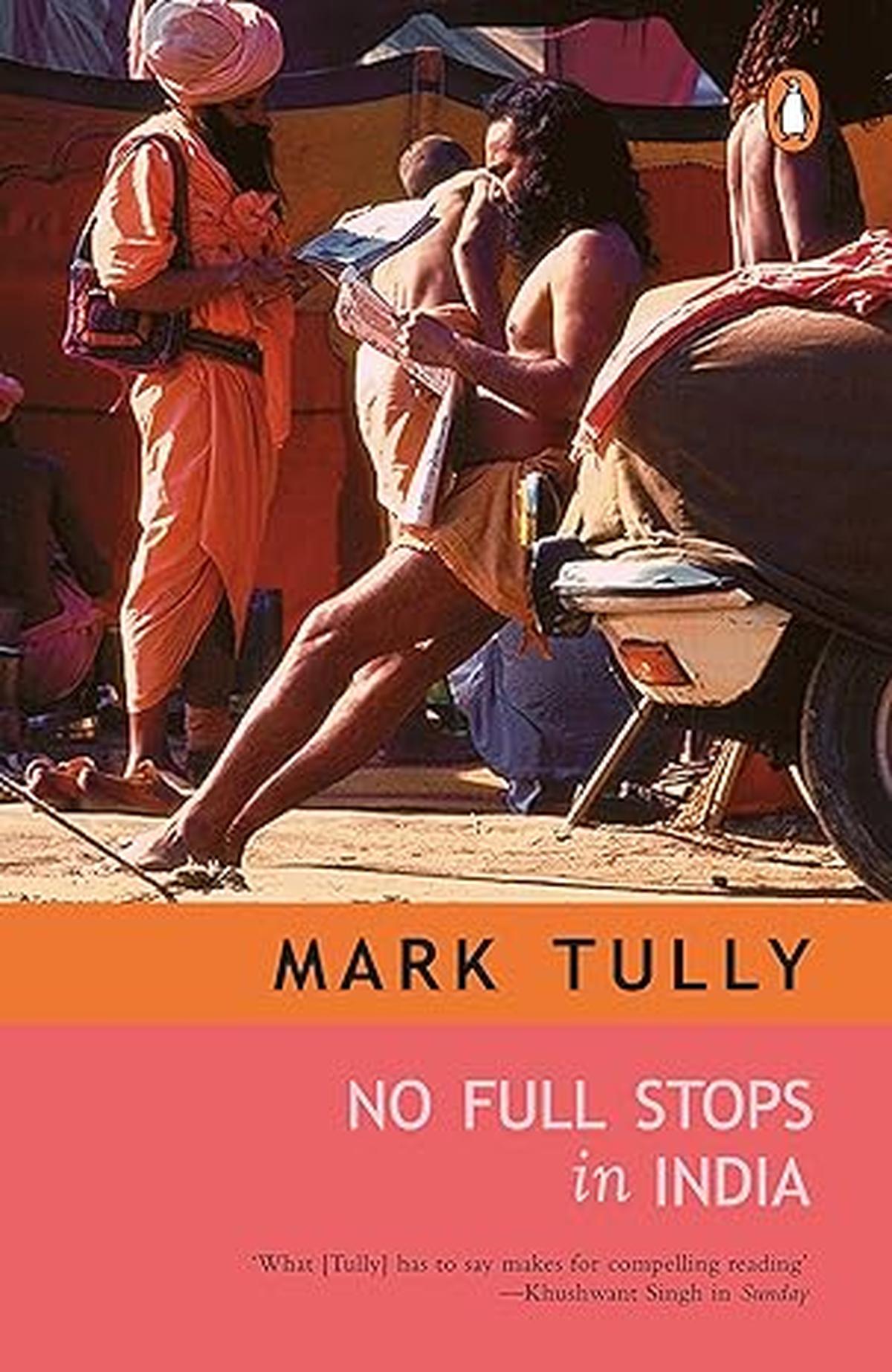
Tully’s work at the BBC ended when he resigned in 1994, but he never stopped chronicling India through his books, with a reporter’s eye that was inquisitive, perceptive, and replete with dry humour. A telling quote appears at the beginning of his most celebrated work, No Full Stops in India (1991). “How do you cope with the poverty?” Tully said he was asked most frequently by visitors to India. “I don’t have to. The poor do,” he replied, dismissing with his pithy response, the patronising attitude of many foreigners that Indians bristle at. While he never romanticised India’s poor, Tully didn’t make them an object of scorn or pity either.
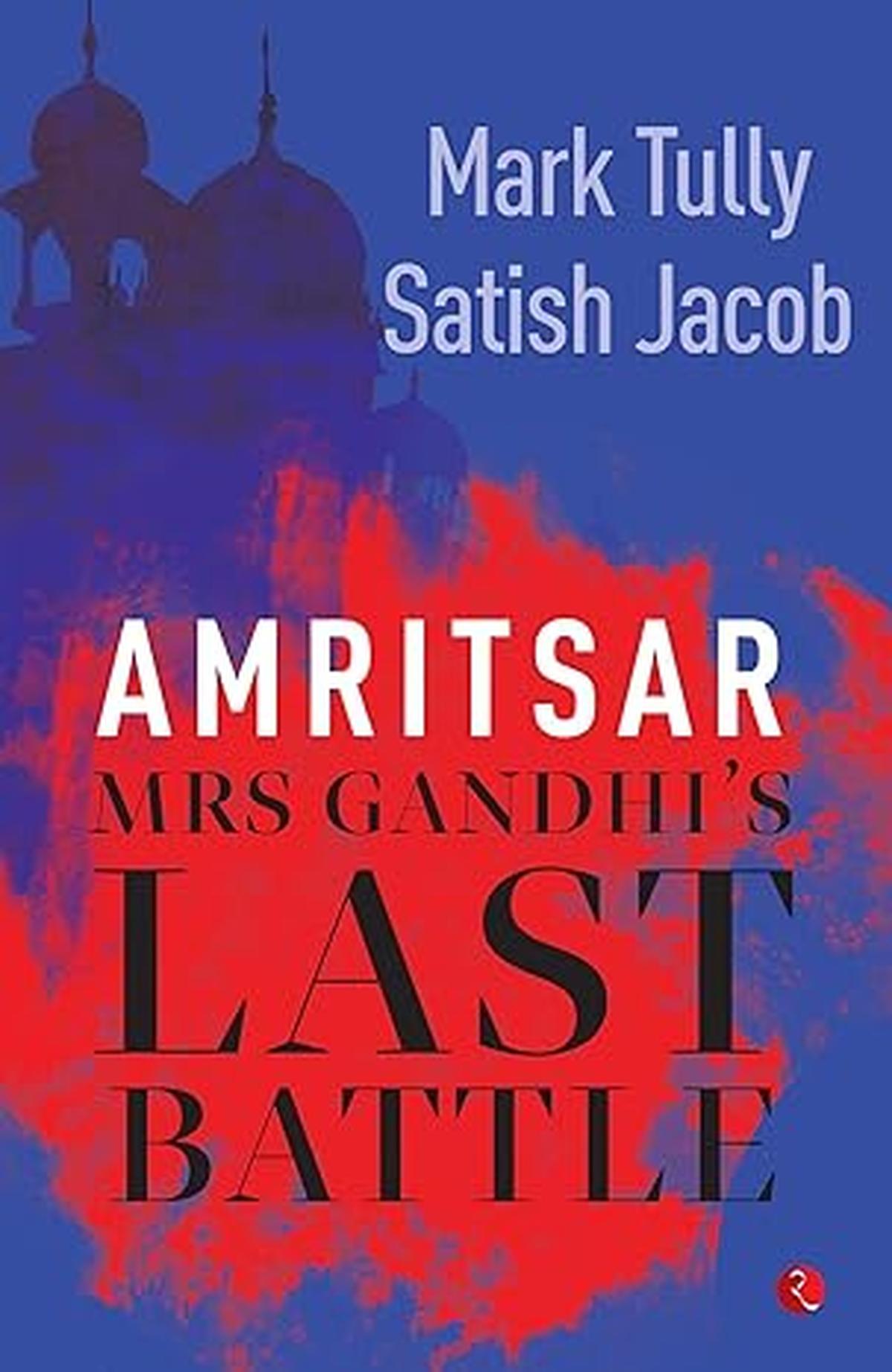
Amritsar: Mrs. Gandhi’s Last Battle (1985), that he co-authored with his BBC colleague Satish Jacob, is a granular account of the Punjab insurgency and the Indira Gandhi government’s decision to storm the Golden Temple in Operation Bluestar. The authors began working on the book before Mrs. Gandhi was assassinated on October 31, 1984, and it came out as violence, including the riots in Delhi, and the crackdown by security forces in Punjab still roiled the situation. However, the authors were able to capture a long-term perspective for readers, not just the anger of the moment. Most of Tully’s other books are collections of essays, reflecting on the issues he covered, like caste struggles, Naxalism, corruption and ‘Babus’, Hindu-Muslim tensions, the political rise of Hindutva, insurgencies in Punjab and the Northeast, and Sati and dowry deaths. While many of the themes are clichéd, his treatment was descriptive, not prescriptive, and hence less likely to offend.
India, in his heart
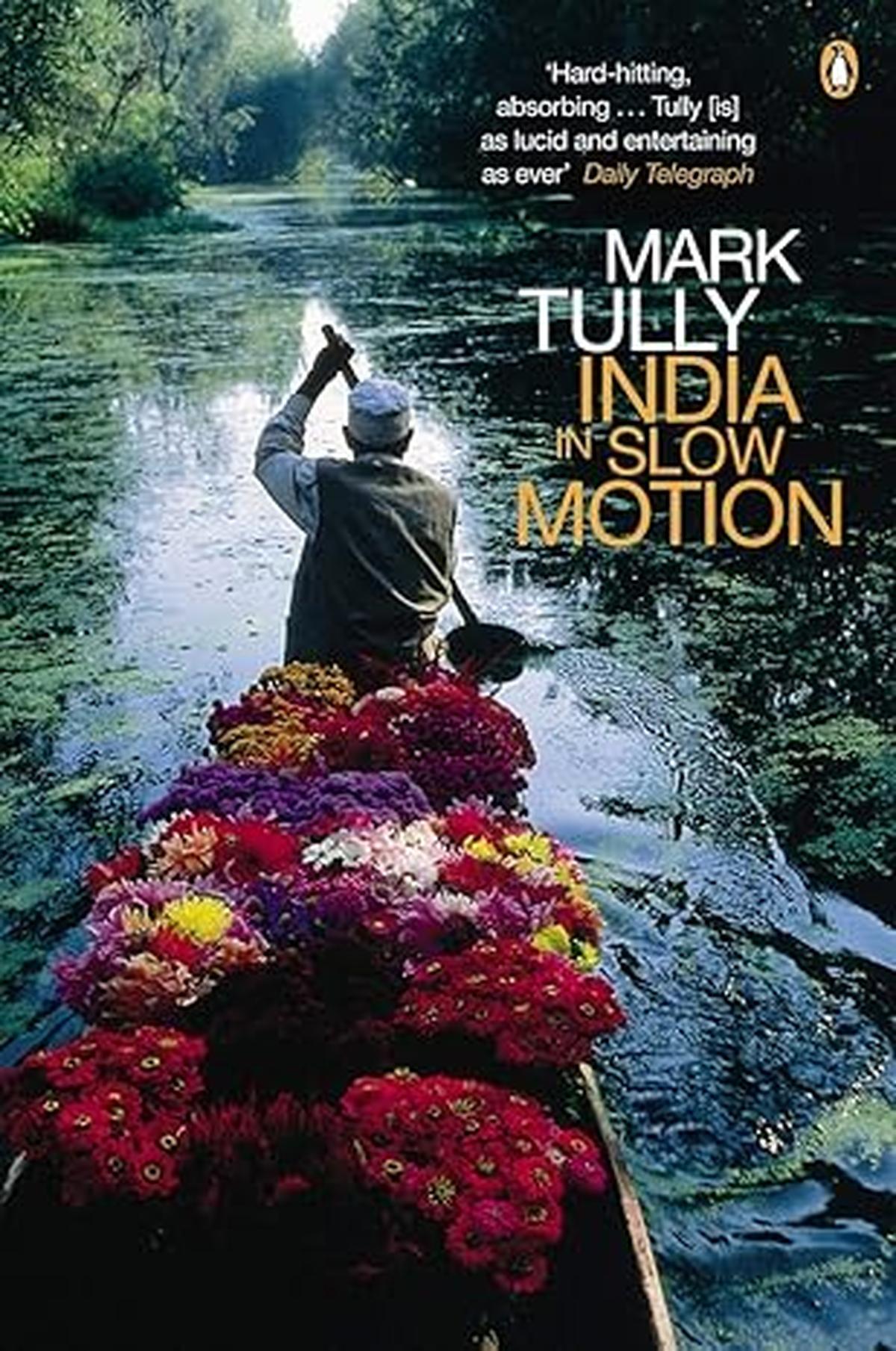
Above all, Tully focused on an India on the move — as is evident from the titles of his works. No Full Stops in India (originally called ‘The Defeat of a Congressman and Other Stories’) was followed by India in Slow Motion (2002), written with his partner and fellow-journalist Gillian Wright. His other books include India’s Unending Journey, India: The Road Ahead and Non-Stop India. The Heart of India and the quasi-fictional Upcountry Tales: Once Upon a Time in The Heart of India both focus on Uttar Pradesh, where he spent much of his time reporting.
Criticism of Tully, including extreme versions of it, when he was chased by a mob outside the Babri Masjid calling for his death, centre on his reporting of only “negative” stories about India, but then that is the nature of the news business. When asked in an interview for a 1992 LA Times profile entitled “The BBC’s Battered Sahib”, he said, when you work as a journalist, you get “shot from all sides”.
Fly on the wall
Through all of his work Tully remains, in his words, “only a bloody journalist” — intrigued by the subjects of his reporting, but removed and dispassionate, as a fly on the wall. Where he deviates is in his obvious affection for the land he adopted, and in his preference for an India that is less-polarised, that celebrates the values of secularism and inclusivity. While he hardly wrote any books about India post-2014, he was known to express his disappointment over government constraints on journalists, including raids on the BBC some years ago, as well as on the “spread of religious hatred”, but said that he remained optimistic that Indian traditions of pluralism would endure.
Fitting then, that at his funeral at a Delhi crematorium this week, Vedic chants mingled with ease to strains of the hymn “Abide with Me”. Recounting his childhood in the 1930s growing up in a British home in Kolkata, Tully has written about his English nanny, who scolded him when she found he was learning to count in Hindi, as she saw it as her responsibility to ensure her charge didn’t ‘go native’. Nearly a century later, it is clear that the nanny failed brilliantly, to the immense benefit of his readers, who are today mourning the passing of “Two-lee Sahib”.
Finding his mark: Tully’s books chronicled India on the move
As readers mourn the passing of ‘Two-lee Sahib’, we read his books, ‘No Full Stops in India’ and others. The veteran journalist reported for the BBC between 1965 to 1994 on momentous events including the liberation of Bangladesh and the assassination of Indira Gandhi
For decades, Mark Tully, the BBC correspondent in India, who made his home here, was the man who brought news of India, not only to his listeners in the U.K. and elsewhere, but to Indians themselves. This was not because there was any dearth of journalists, daily newspapers and periodicals in India that could chronicle the times, but because the state controlled the airwaves, both television and radio.
The BBC, available on shortwave radio, was one of the only alternatives to a nation obsessed with the news. Tully, who passed away on January 25, had lived in India as a child, and benefitted from the times he reported for the BBC (1965-1994), for a number of reasons. To begin with, those were times of momentous, nation-altering stories in the region he covered: Bangladesh’s liberation, Pakistan Prime Minister Zulfikar Ali Bhutto’s hanging, the Soviet invasion of Afghanistan and the U.S.-Pakistan funding of the Mujahideen to defeat them.
Emergency, and after
In India, he covered the Emergency (he was expelled by PM Indira Gandhi for his reportage for more than a year before he returned); Mrs. Gandhi’s assassination and the anti-Sikh riots; the assassination of former PM Rajiv Gandhi; the Babri Masjid demolition; and the liberalisation of the economy. It was a time when a foreign correspondent in the subcontinent led a charmed existence — access everywhere, big stories to cover, an ease of conversation with the leadership at the top, and budgets that allowed, in fact, encouraged correspondents to “go to the ground”.
Those were also times when India was emerging out of a post-independence shell and slowly moving towards its economic potential, which made every colourful story, from a local wedding to the Kumbh mela, one of great curiosity to his viewers and listeners abroad.
Tully’s work at the BBC ended when he resigned in 1994, but he never stopped chronicling India through his books, with a reporter’s eye that was inquisitive, perceptive, and replete with dry humour. A telling quote appears at the beginning of his most celebrated work, No Full Stops in India (1991). “How do you cope with the poverty?” Tully said he was asked most frequently by visitors to India. “I don’t have to. The poor do,” he replied, dismissing with his pithy response, the patronising attitude of many foreigners that Indians bristle at. While he never romanticised India’s poor, Tully didn’t make them an object of scorn or pity either.
Amritsar: Mrs. Gandhi’s Last Battle (1985), that he co-authored with his BBC colleague Satish Jacob, is a granular account of the Punjab insurgency and the Indira Gandhi government’s decision to storm the Golden Temple in Operation Bluestar. The authors began working on the book before Mrs. Gandhi was assassinated on October 31, 1984, and it came out as violence, including the riots in Delhi, and the crackdown by security forces in Punjab still roiled the situation. However, the authors were able to capture a long-term perspective for readers, not just the anger of the moment. Most of Tully’s other books are collections of essays, reflecting on the issues he covered, like caste struggles, Naxalism, corruption and ‘Babus’, Hindu-Muslim tensions, the political rise of Hindutva, insurgencies in Punjab and the Northeast, and Sati and dowry deaths. While many of the themes are clichéd, his treatment was descriptive, not prescriptive, and hence less likely to offend.
India, in his heart
Above all, Tully focused on an India on the move — as is evident from the titles of his works. No Full Stops in India (originally called ‘The Defeat of a Congressman and Other Stories’) was followed by India in Slow Motion (2002), written with his partner and fellow-journalist Gillian Wright. His other books include India’s Unending Journey, India: The Road Ahead and Non-Stop India. The Heart of India and the quasi-fictional Upcountry Tales: Once Upon a Time in The Heart of India both focus on Uttar Pradesh, where he spent much of his time reporting.
Criticism of Tully, including extreme versions of it, when he was chased by a mob outside the Babri Masjid calling for his death, centre on his reporting of only “negative” stories about India, but then that is the nature of the news business. When asked in an interview for a 1992 LA Times profile entitled “The BBC’s Battered Sahib”, he said, when you work as a journalist, you get “shot from all sides”.
Fly on the wall
Through all of his work Tully remains, in his words, “only a bloody journalist” — intrigued by the subjects of his reporting, but removed and dispassionate, as a fly on the wall. Where he deviates is in his obvious affection for the land he adopted, and in his preference for an India that is less-polarised, that celebrates the values of secularism and inclusivity. While he hardly wrote any books about India post-2014, he was known to express his disappointment over government constraints on journalists, including raids on the BBC some years ago, as well as on the “spread of religious hatred”, but said that he remained optimistic that Indian traditions of pluralism would endure.
Fitting then, that at his funeral at a Delhi crematorium this week, Vedic chants mingled with ease to strains of the hymn “Abide with Me”. Recounting his childhood in the 1930s growing up in a British home in Kolkata, Tully has written about his English nanny, who scolded him when she found he was learning to count in Hindi, as she saw it as her responsibility to ensure her charge didn’t ‘go native’. Nearly a century later, it is clear that the nanny failed brilliantly, to the immense benefit of his readers, who are today mourning the passing of “Two-lee Sahib”.
Finding his mark: Tully’s books chronicled India on the move
As readers mourn the passing of ‘Two-lee Sahib’, we read his books, ‘No Full Stops in India’ and others. The veteran journalist reported for the BBC between 1965 to 1994 on momentous events including the liberation of Bangladesh and the assassination of Indira Gandhi
For decades, Mark Tully, the BBC correspondent in India, who made his home here, was the man who brought news of India, not only to his listeners in the U.K. and elsewhere, but to Indians themselves. This was not because there was any dearth of journalists, daily newspapers and periodicals in India that could chronicle the times, but because the state controlled the airwaves, both television and radio.
The BBC, available on shortwave radio, was one of the only alternatives to a nation obsessed with the news. Tully, who passed away on January 25, had lived in India as a child, and benefitted from the times he reported for the BBC (1965-1994), for a number of reasons. To begin with, those were times of momentous, nation-altering stories in the region he covered: Bangladesh’s liberation, Pakistan Prime Minister Zulfikar Ali Bhutto’s hanging, the Soviet invasion of Afghanistan and the U.S.-Pakistan funding of the Mujahideen to defeat them.
Emergency, and after
In India, he covered the Emergency (he was expelled by PM Indira Gandhi for his reportage for more than a year before he returned); Mrs. Gandhi’s assassination and the anti-Sikh riots; the assassination of former PM Rajiv Gandhi; the Babri Masjid demolition; and the liberalisation of the economy. It was a time when a foreign correspondent in the subcontinent led a charmed existence — access everywhere, big stories to cover, an ease of conversation with the leadership at the top, and budgets that allowed, in fact, encouraged correspondents to “go to the ground”.
Those were also times when India was emerging out of a post-independence shell and slowly moving towards its economic potential, which made every colourful story, from a local wedding to the Kumbh mela, one of great curiosity to his viewers and listeners abroad.
Tully’s work at the BBC ended when he resigned in 1994, but he never stopped chronicling India through his books, with a reporter’s eye that was inquisitive, perceptive, and replete with dry humour. A telling quote appears at the beginning of his most celebrated work, No Full Stops in India (1991). “How do you cope with the poverty?” Tully said he was asked most frequently by visitors to India. “I don’t have to. The poor do,” he replied, dismissing with his pithy response, the patronising attitude of many foreigners that Indians bristle at. While he never romanticised India’s poor, Tully didn’t make them an object of scorn or pity either.
Amritsar: Mrs. Gandhi’s Last Battle (1985), that he co-authored with his BBC colleague Satish Jacob, is a granular account of the Punjab insurgency and the Indira Gandhi government’s decision to storm the Golden Temple in Operation Bluestar. The authors began working on the book before Mrs. Gandhi was assassinated on October 31, 1984, and it came out as violence, including the riots in Delhi, and the crackdown by security forces in Punjab still roiled the situation. However, the authors were able to capture a long-term perspective for readers, not just the anger of the moment. Most of Tully’s other books are collections of essays, reflecting on the issues he covered, like caste struggles, Naxalism, corruption and ‘Babus’, Hindu-Muslim tensions, the political rise of Hindutva, insurgencies in Punjab and the Northeast, and Sati and dowry deaths. While many of the themes are clichéd, his treatment was descriptive, not prescriptive, and hence less likely to offend.
India, in his heart
Above all, Tully focused on an India on the move — as is evident from the titles of his works. No Full Stops in India (originally called ‘The Defeat of a Congressman and Other Stories’) was followed by India in Slow Motion (2002), written with his partner and fellow-journalist Gillian Wright. His other books include India’s Unending Journey, India: The Road Ahead and Non-Stop India. The Heart of India and the quasi-fictional Upcountry Tales: Once Upon a Time in The Heart of India both focus on Uttar Pradesh, where he spent much of his time reporting.
Criticism of Tully, including extreme versions of it, when he was chased by a mob outside the Babri Masjid calling for his death, centre on his reporting of only “negative” stories about India, but then that is the nature of the news business. When asked in an interview for a 1992 LA Times profile entitled “The BBC’s Battered Sahib”, he said, when you work as a journalist, you get “shot from all sides”.
Fly on the wall
Through all of his work Tully remains, in his words, “only a bloody journalist” — intrigued by the subjects of his reporting, but removed and dispassionate, as a fly on the wall. Where he deviates is in his obvious affection for the land he adopted, and in his preference for an India that is less-polarised, that celebrates the values of secularism and inclusivity. While he hardly wrote any books about India post-2014, he was known to express his disappointment over government constraints on journalists, including raids on the BBC some years ago, as well as on the “spread of religious hatred”, but said that he remained optimistic that Indian traditions of pluralism would endure.
Fitting then, that at his funeral at a Delhi crematorium this week, Vedic chants mingled with ease to strains of the hymn “Abide with Me”. Recounting his childhood in the 1930s growing up in a British home in Kolkata, Tully has written about his English nanny, who scolded him when she found he was learning to count in Hindi, as she saw it as her responsibility to ensure her charge didn’t ‘go native’. Nearly a century later, it is clear that the nanny failed brilliantly, to the immense benefit of his readers, who are today mourning the passing of “Two-lee Sahib”.





NO COMMENT