India prioritises safety of ‘all civilians’ says MEA, but doesn’t criticise U.S.-Israel strikes on Iran and Lebanon
India has prioritised the safety of “all civilians”, said the government in an effort to deflect criticism that it has only condemned Iran’s actions, and not those by the United States and Israel in the ongoing war in West Asia.
On Wednesday (March 11, 2026), India co-sponsored a Gulf Cooperation Council (GCC) resolution at the United Nations Security Council (UNSC) along with 134 countries that demanded the “immediate cessation of all attacks by the Islamic Republic of Iran” against GCC countries Bahrain, Kuwait, Oman, Qatar, Saudi Arabia, the United Arab Emirates, and Jordan. The resolution was passed with 13 UNSC members voting in favour while Russia and China abstained. It also condemned “any actions or threats by the Islamic Republic of Iran aimed at closing, obstructing, or otherwise interfering with international navigation through the Strait of Hormuz”.
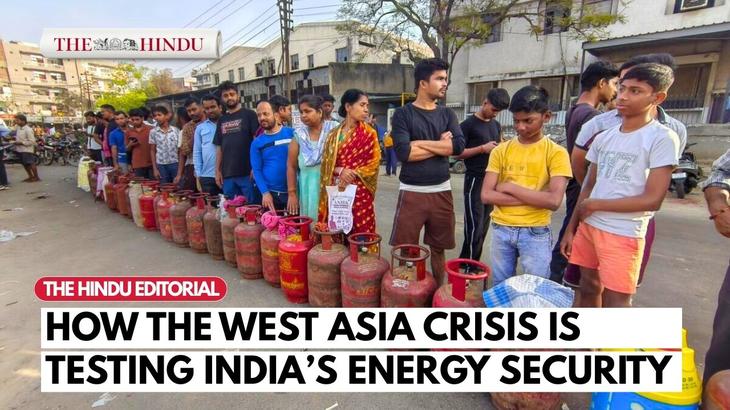
“The resolution reflects several of our positions,” said Ministry of External Affairs spokesperson Randhir Jaiswal at a weekly press briefing on Thursday [March 12, 2026]. “We have a large diaspora in the GCC countries, and their well-being and welfare are of utmost importance. The Gulf is also very important for our energy security needs,” Mr. Jaiswal added, in references to about 10 million Indians who live and work in West Asia, and India’s energy purchases from the region that make up about 50% of its crude oil and 90% of its liquefied petroleum gas (LPG) imports. In contrast, there are about 9,000 Indians in Iran and India has discontinued its energy imports from Iran since 2019, under threat of U.S. sanctions.
The Indian support for the UNSC resolution comes on the heels of a number of statements by the Ministry condemning specific Iranian actions such as the attacks on various countries across the West Asian region, buildings in Dubai, Omani facilities and a Thai ship bound for India.
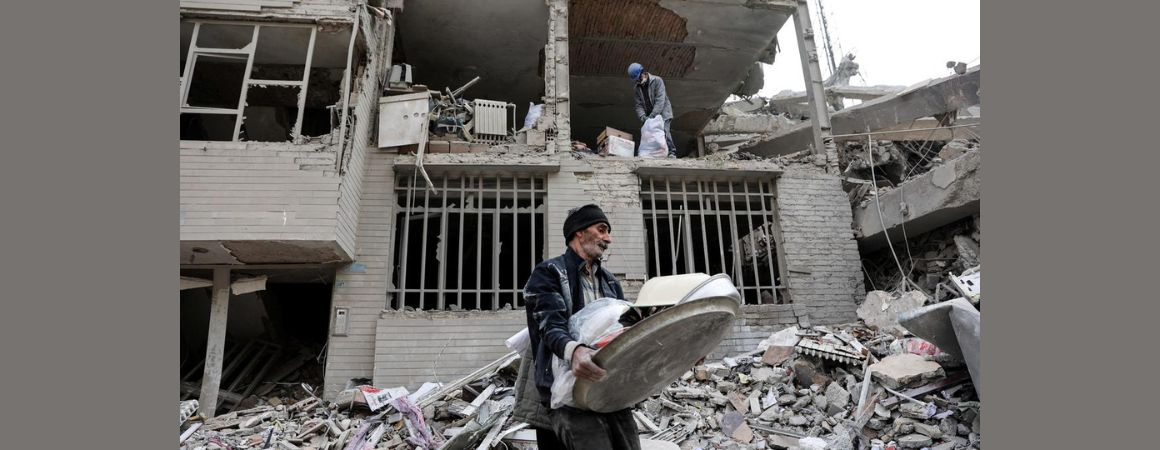
However, India has not similarly condemned the attacks by the U.S. and Israel on Iran, in which an estimated 1,255 people have been killed, including Iran’s Supreme Leader Ayatollah Ali Khamenei, his family and advisors; the sinking of Iranian ship IRIS Dena in the Indian Ocean that had been hosted for exercises by India; or the bombing of a school in Mubin in which 150 schoolgirls are believed to have been killed. Nor has India or the GCC-led resolution spoken about Israel’s strikes on Lebanon, where the government said more than 630 people have been killed, and 800,000 displaced from their homes.
In response to a question from The Hindu about the seemingly unbalanced responses, Mr. Jaiswal said that the MEA had issued statements, and External Affairs Minister S. Jaishankar had made suo motu statements in both Houses of Parliament that regretted the loss of lives.
“As far as the question of the schoolchildren is concerned… we have issued several statements on the ongoing conflict. We have underlined the need for prioritising the safety of all civilians. We regret the precious lives lost, and express our grief in that regard,” Mr. Jaiswal said.
In the past few days, India’s “silence” on U.S. and Israeli actions has come in for criticism from a number of senior former diplomats speaking to the media and at various public events. “Diplomacy should recognise complexity, not reduce it to a single culprit,” former Indian Foreign Secretary and former Ambassador to the U.S. Nirupama Menon Rao said on Thursday (March 12, 2026) in a post referring to the MEA statement, suggesting that India’s sponsorship of the UN resolution would “endorse a narrative that begins the story with Iranian retaliation rather than the escalation that preceded it”.
Speaking about the March 4 submarine torpedo attack that sank the IRIS Dena “very close to India shores”, former Foreign Secretary Shyam Saran said that India must assert itself in the face of the U.S. actions. “Tactical subservience can easily result in strategic irrelevance,” he added, in a keynote address at the Synergia Conclave in Delhi on Thursday.
India co-sponsors resolution passed by UNSC condemning Iran attacks on Gulf
India prioritises safety of ‘all civilians’ says MEA, but doesn’t criticise U.S.-Israel strikes on Iran and Lebanon
India has prioritised the safety of “all civilians”, said the government in an effort to deflect criticism that it has only condemned Iran’s actions, and not those by the United States and Israel in the ongoing war in West Asia.
On Wednesday (March 11, 2026), India co-sponsored a Gulf Cooperation Council (GCC) resolution at the United Nations Security Council (UNSC) along with 134 countries that demanded the “immediate cessation of all attacks by the Islamic Republic of Iran” against GCC countries Bahrain, Kuwait, Oman, Qatar, Saudi Arabia, the United Arab Emirates, and Jordan. The resolution was passed with 13 UNSC members voting in favour while Russia and China abstained. It also condemned “any actions or threats by the Islamic Republic of Iran aimed at closing, obstructing, or otherwise interfering with international navigation through the Strait of Hormuz”.
“The resolution reflects several of our positions,” said Ministry of External Affairs spokesperson Randhir Jaiswal at a weekly press briefing on Thursday [March 12, 2026]. “We have a large diaspora in the GCC countries, and their well-being and welfare are of utmost importance. The Gulf is also very important for our energy security needs,” Mr. Jaiswal added, in references to about 10 million Indians who live and work in West Asia, and India’s energy purchases from the region that make up about 50% of its crude oil and 90% of its liquefied petroleum gas (LPG) imports. In contrast, there are about 9,000 Indians in Iran and India has discontinued its energy imports from Iran since 2019, under threat of U.S. sanctions.
The Indian support for the UNSC resolution comes on the heels of a number of statements by the Ministry condemning specific Iranian actions such as the attacks on various countries across the West Asian region, buildings in Dubai, Omani facilities and a Thai ship bound for India.
However, India has not similarly condemned the attacks by the U.S. and Israel on Iran, in which an estimated 1,255 people have been killed, including Iran’s Supreme Leader Ayatollah Ali Khamenei, his family and advisors; the sinking of Iranian ship IRIS Dena in the Indian Ocean that had been hosted for exercises by India; or the bombing of a school in Mubin in which 150 schoolgirls are believed to have been killed. Nor has India or the GCC-led resolution spoken about Israel’s strikes on Lebanon, where the government said more than 630 people have been killed, and 800,000 displaced from their homes.
In response to a question from The Hindu about the seemingly unbalanced responses, Mr. Jaiswal said that the MEA had issued statements, and External Affairs Minister S. Jaishankar had made suo motu statements in both Houses of Parliament that regretted the loss of lives.
“As far as the question of the schoolchildren is concerned… we have issued several statements on the ongoing conflict. We have underlined the need for prioritising the safety of all civilians. We regret the precious lives lost, and express our grief in that regard,” Mr. Jaiswal said.
In the past few days, India’s “silence” on U.S. and Israeli actions has come in for criticism from a number of senior former diplomats speaking to the media and at various public events. “Diplomacy should recognise complexity, not reduce it to a single culprit,” former Indian Foreign Secretary and former Ambassador to the U.S. Nirupama Menon Rao said on Thursday (March 12, 2026) in a post referring to the MEA statement, suggesting that India’s sponsorship of the UN resolution would “endorse a narrative that begins the story with Iranian retaliation rather than the escalation that preceded it”.
Speaking about the March 4 submarine torpedo attack that sank the IRIS Dena “very close to India shores”, former Foreign Secretary Shyam Saran said that India must assert itself in the face of the U.S. actions. “Tactical subservience can easily result in strategic irrelevance,” he added, in a keynote address at the Synergia Conclave in Delhi on Thursday.
India co-sponsors resolution passed by UNSC condemning Iran attacks on Gulf
India prioritises safety of ‘all civilians’ says MEA, but doesn’t criticise U.S.-Israel strikes on Iran and Lebanon
India has prioritised the safety of “all civilians”, said the government in an effort to deflect criticism that it has only condemned Iran’s actions, and not those by the United States and Israel in the ongoing war in West Asia.
On Wednesday (March 11, 2026), India co-sponsored a Gulf Cooperation Council (GCC) resolution at the United Nations Security Council (UNSC) along with 134 countries that demanded the “immediate cessation of all attacks by the Islamic Republic of Iran” against GCC countries Bahrain, Kuwait, Oman, Qatar, Saudi Arabia, the United Arab Emirates, and Jordan. The resolution was passed with 13 UNSC members voting in favour while Russia and China abstained. It also condemned “any actions or threats by the Islamic Republic of Iran aimed at closing, obstructing, or otherwise interfering with international navigation through the Strait of Hormuz”.
“The resolution reflects several of our positions,” said Ministry of External Affairs spokesperson Randhir Jaiswal at a weekly press briefing on Thursday [March 12, 2026]. “We have a large diaspora in the GCC countries, and their well-being and welfare are of utmost importance. The Gulf is also very important for our energy security needs,” Mr. Jaiswal added, in references to about 10 million Indians who live and work in West Asia, and India’s energy purchases from the region that make up about 50% of its crude oil and 90% of its liquefied petroleum gas (LPG) imports. In contrast, there are about 9,000 Indians in Iran and India has discontinued its energy imports from Iran since 2019, under threat of U.S. sanctions.
The Indian support for the UNSC resolution comes on the heels of a number of statements by the Ministry condemning specific Iranian actions such as the attacks on various countries across the West Asian region, buildings in Dubai, Omani facilities and a Thai ship bound for India.
However, India has not similarly condemned the attacks by the U.S. and Israel on Iran, in which an estimated 1,255 people have been killed, including Iran’s Supreme Leader Ayatollah Ali Khamenei, his family and advisors; the sinking of Iranian ship IRIS Dena in the Indian Ocean that had been hosted for exercises by India; or the bombing of a school in Mubin in which 150 schoolgirls are believed to have been killed. Nor has India or the GCC-led resolution spoken about Israel’s strikes on Lebanon, where the government said more than 630 people have been killed, and 800,000 displaced from their homes.
In response to a question from The Hindu about the seemingly unbalanced responses, Mr. Jaiswal said that the MEA had issued statements, and External Affairs Minister S. Jaishankar had made suo motu statements in both Houses of Parliament that regretted the loss of lives.
“As far as the question of the schoolchildren is concerned… we have issued several statements on the ongoing conflict. We have underlined the need for prioritising the safety of all civilians. We regret the precious lives lost, and express our grief in that regard,” Mr. Jaiswal said.
In the past few days, India’s “silence” on U.S. and Israeli actions has come in for criticism from a number of senior former diplomats speaking to the media and at various public events. “Diplomacy should recognise complexity, not reduce it to a single culprit,” former Indian Foreign Secretary and former Ambassador to the U.S. Nirupama Menon Rao said on Thursday (March 12, 2026) in a post referring to the MEA statement, suggesting that India’s sponsorship of the UN resolution would “endorse a narrative that begins the story with Iranian retaliation rather than the escalation that preceded it”.
Speaking about the March 4 submarine torpedo attack that sank the IRIS Dena “very close to India shores”, former Foreign Secretary Shyam Saran said that India must assert itself in the face of the U.S. actions. “Tactical subservience can easily result in strategic irrelevance,” he added, in a keynote address at the Synergia Conclave in Delhi on Thursday.





NO COMMENT