Deeply polarised deputy FMs meeting in Delhi spell trouble for India’s BRICS Presidency; as the language of a joint statement eluded diplomats, India issued a ‘Chair’s Statement’ that reflected the subjects discussed
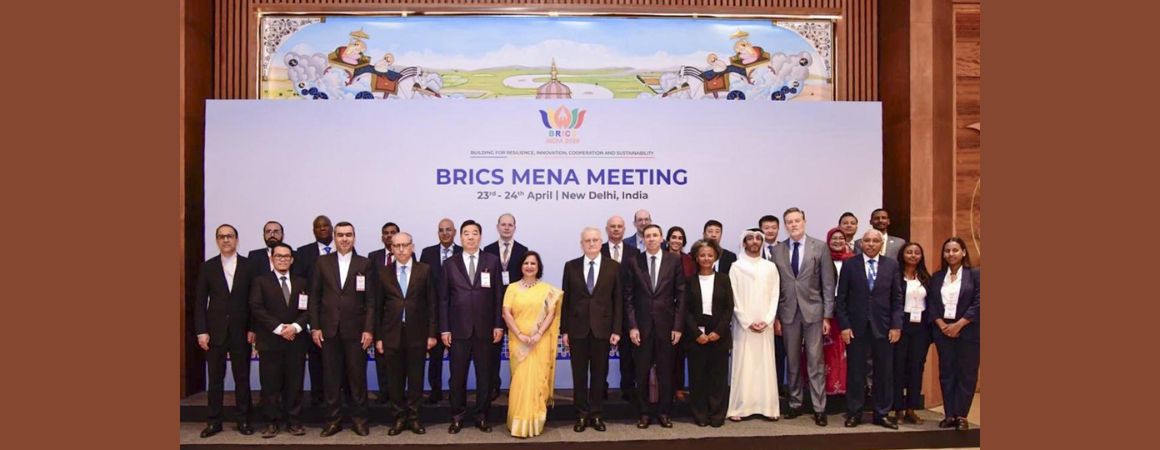
Extended late-night parleys and heated debates marked the meeting of the 11-nation BRICS Deputy Foreign Ministers and Special Envoys in New Delhi that ended without a joint statement on Friday (April 24, 2026), The Hindu has learnt, indicating more trouble for India’s BRICS Presidency this year.
While delegates from the United Arab Emirates and Iran sparred over the war in West Asia, a number of diplomatic and official sources present or briefed about the discussions said that the meetings on April 23-24 also saw an unexpected attempt by India to “tone down” language on Israel and Palestine, which was opposed by almost all other members.
The issues have set the stage for more difficult negotiations in the weeks ahead as BRICS Foreign Ministers are due to meet on May 14-15, with the summit scheduled for September 10-11 this year. The government has already received confirmations for next month’s meeting from several Foreign Ministers of the grouping. BRICS comprises Brazil, Russia, India, China, South Africa, Egypt, Ethiopia, Iran, Indonesia and the UAE. Saudi Arabia was granted membership in 2024, but hasn’t joined the grouping thus far.
In particular, sources present in the meetings said that officials from the Ministry of External Affairs negotiating the joint statement sought to amend paragraphs from BRICS summits in Brasilia in 2025 and Kazan in 2024.
These included softening language that criticised Israel for its bombardment of Gaza and Lebanon, as well as dropping a reference to “East Jerusalem” as the capital of the Palestinian state as a part of the two-state solution. Ministry officials even sought to replace references of “Israel” while criticising its operations in the West Bank and Lebanon with the less direct term “occupying power”.
“We were very surprised as India has agreed to such language at many multilateral fora,” said a diplomat who asked not to be named. However, another diplomat pointed out that India had incorporated such changes during the India-Arab League Summit held in Delhi in January 2026. In bilateral statements, India stopped using the term “East Jerusalem” in 2017.
The Ministry declined several requests for a response on whether India’s position on Palestine was isolated at the meeting. “There was no change in India’s position on the Palestine issue” an unnamed government source told news agency PTI on Sunday (April 26, 2026), attributing the lack of consensus only to “sharp difference of positions among members who are party to the conflict”.
All officials and diplomats agreed that the joint statement would likely have been derailed in any case due to the irreconcilable differences between the UAE and Iran over the war in West Asia. According to sources, Iran wanted the statement to recognise that the U.S. and Israel had initiated the conflict on February 28, while the UAE was insistent on a paragraph clearly criticising Iran for having attacked a fellow member of BRICS.
“BRICS is deeply polarised”, said one diplomat describing proceedings. An official said the environment of the meetings was “very tense, with each side taking maximalist positions, and adamant about not giving ground”, one of the delegates said.
Another delegate said the meetings were “tedious and prolonged” and went on well past midnight on Thursday (April 23, 2026), and extended several hours past the scheduled lunchtime closing on Friday (April 24, 2026) as well. Eventually, as the language of a joint statement eluded diplomats, the Ministry issued a “Chair’s Statement” that reflected the subjects discussed, similar to how India, as Chair, had been forced to do during Ministerial meetings in the lead-up to the G-20 Summit in 2023 when differences over the Russia-Ukraine conflict held up consensus.
“Members expressed deep concern on the recent conflict in the Middle East and offered views and assessments on the matter,” the Chair’s Statement on the meeting of BRICS Deputy Foreign Ministers and Special Envoys on the Middle East and North Africa (MENA) finally said. “The discussions covered the Palestine issue and the Gaza situation, including provision of humanitarian aid, the role of UNRWA, zero-tolerance approach to terrorism, welcoming the ceasefire in Lebanon, the unacceptability of attacks on UNIFIL,” it added, also referring to discussions on Syria, Yemen, Iraq, Libya, and Sudan.
UAE-Iran differences and India’s plans to dilute language on Israel-Palestine derail joint statement at BRICS meet
Deeply polarised deputy FMs meeting in Delhi spell trouble for India’s BRICS Presidency; as the language of a joint statement eluded diplomats, India issued a ‘Chair’s Statement’ that reflected the subjects discussed
Extended late-night parleys and heated debates marked the meeting of the 11-nation BRICS Deputy Foreign Ministers and Special Envoys in New Delhi that ended without a joint statement on Friday (April 24, 2026), The Hindu has learnt, indicating more trouble for India’s BRICS Presidency this year.
While delegates from the United Arab Emirates and Iran sparred over the war in West Asia, a number of diplomatic and official sources present or briefed about the discussions said that the meetings on April 23-24 also saw an unexpected attempt by India to “tone down” language on Israel and Palestine, which was opposed by almost all other members.
The issues have set the stage for more difficult negotiations in the weeks ahead as BRICS Foreign Ministers are due to meet on May 14-15, with the summit scheduled for September 10-11 this year. The government has already received confirmations for next month’s meeting from several Foreign Ministers of the grouping. BRICS comprises Brazil, Russia, India, China, South Africa, Egypt, Ethiopia, Iran, Indonesia and the UAE. Saudi Arabia was granted membership in 2024, but hasn’t joined the grouping thus far.
In particular, sources present in the meetings said that officials from the Ministry of External Affairs negotiating the joint statement sought to amend paragraphs from BRICS summits in Brasilia in 2025 and Kazan in 2024.
These included softening language that criticised Israel for its bombardment of Gaza and Lebanon, as well as dropping a reference to “East Jerusalem” as the capital of the Palestinian state as a part of the two-state solution. Ministry officials even sought to replace references of “Israel” while criticising its operations in the West Bank and Lebanon with the less direct term “occupying power”.
“We were very surprised as India has agreed to such language at many multilateral fora,” said a diplomat who asked not to be named. However, another diplomat pointed out that India had incorporated such changes during the India-Arab League Summit held in Delhi in January 2026. In bilateral statements, India stopped using the term “East Jerusalem” in 2017.
The Ministry declined several requests for a response on whether India’s position on Palestine was isolated at the meeting. “There was no change in India’s position on the Palestine issue” an unnamed government source told news agency PTI on Sunday (April 26, 2026), attributing the lack of consensus only to “sharp difference of positions among members who are party to the conflict”.
All officials and diplomats agreed that the joint statement would likely have been derailed in any case due to the irreconcilable differences between the UAE and Iran over the war in West Asia. According to sources, Iran wanted the statement to recognise that the U.S. and Israel had initiated the conflict on February 28, while the UAE was insistent on a paragraph clearly criticising Iran for having attacked a fellow member of BRICS.
“BRICS is deeply polarised”, said one diplomat describing proceedings. An official said the environment of the meetings was “very tense, with each side taking maximalist positions, and adamant about not giving ground”, one of the delegates said.
Another delegate said the meetings were “tedious and prolonged” and went on well past midnight on Thursday (April 23, 2026), and extended several hours past the scheduled lunchtime closing on Friday (April 24, 2026) as well. Eventually, as the language of a joint statement eluded diplomats, the Ministry issued a “Chair’s Statement” that reflected the subjects discussed, similar to how India, as Chair, had been forced to do during Ministerial meetings in the lead-up to the G-20 Summit in 2023 when differences over the Russia-Ukraine conflict held up consensus.
“Members expressed deep concern on the recent conflict in the Middle East and offered views and assessments on the matter,” the Chair’s Statement on the meeting of BRICS Deputy Foreign Ministers and Special Envoys on the Middle East and North Africa (MENA) finally said. “The discussions covered the Palestine issue and the Gaza situation, including provision of humanitarian aid, the role of UNRWA, zero-tolerance approach to terrorism, welcoming the ceasefire in Lebanon, the unacceptability of attacks on UNIFIL,” it added, also referring to discussions on Syria, Yemen, Iraq, Libya, and Sudan.




NO COMMENT