They stay on in the face of danger, sending dispatches on the situation, setting up calls with officials, and helping Indian citizens in safe exit.
War is the failure of diplomacy, said British MP and activist Tony Benn. However, in a world where diplomacy is increasingly not being given a chance to succeed, it is important to remember the diplomats who keep working, despite the war raging outside their mission windows.
“If there’s a horde of people fleeing a burning building, apart from the firefighters, the only people crazy enough to be going in are journalists,” my professor would say, stressing the need for safety guidelines for journalists covering conflict areas. However, few think about the diplomats, based in India’s missions around the world who choose to stay inside the ‘burning building’ even as the situation gets more heated. As the world saw the U.S. President’s words threatening a “civilization will die” if Iran did not comply with his demands this week, and feared the worst would follow, Indian diplomats based in Tehran and other towns outside the capital were working around the clock inside the embassy, with a basement parking area to run for as a bunker in case of airstrikes. Some are sending dispatches on the situation there, and some on setting up meetings and calls with officials; some are organising stocks of food, water, medicines, and some are working on authenticating documents, issuing passports and making arrangements for Indian citizens still in the country to leave through land boundaries to Azerbaijan and Armenia. Similar scenes must be playing out across West Asia over the past month, from Indian missions in Tel Aviv, Beirut, Abu Dhabi, Riyadh and other cities.
Over the course of my career, I have met many such diplomats, stoic in the face of danger, often having to take the call for the entire embassy and families on whether to continue to stay given the risks, and to know when to take the equally difficult decision — to leave.
My professor’s words flashed through my mind as we entered into Beirut harbour during the 2006 Israeli bombardment of Lebanon, and could see smoke from buildings as well as the airport where Israel Defence Forces’ (IDF) jets had struck the tarmac and aircraft, forcing it to close. Then, as now, Israel claimed it was targeting Hezbollah hideouts, seeking in particular, any word about two IDF soldiers who had been taken hostage by the militant group that controlled parts of Lebanon. I was one of a group of journalists on board the INS Mumbai, who were being dropped there, while the Indian Navy was going to evacuate thousands of Indians as part of Operation Sukoon. As Beirut harbour came into view, our first sight was Indian Embassy personnel, setting up desks right at the port to organise entry permits for all those onboard and checking passports and documents for those queuing up to leave. They never left, even as the bombardment came closer to the embassy building, only taking precautions to stay away from windows to avoid flying glass.
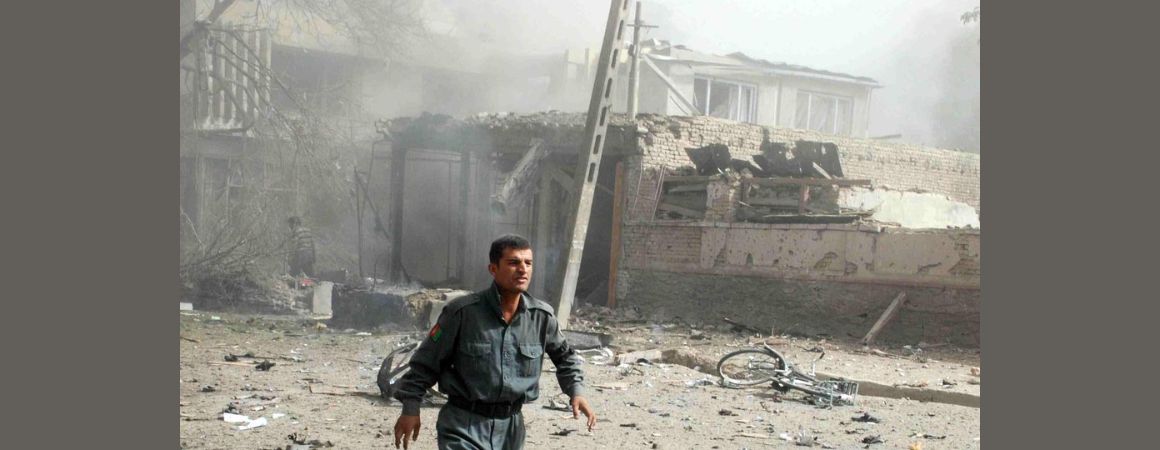
Arriving in Gaddafi’s Libya days before NATO began to bomb the country in March 2011, I saw the same diligence in duty as the Indian team stamped passports, sharing rooms in the Ambassador’s residence in Tripoli, which was more secure, even as street battles and gunfire raged outside. In Syria the next year, as the anti-Assad uprising came closer to the capital Damascus, the Indian embassy’s diplomats stayed on despite reports that the regime could be overthrown in a violent revolution (eventually that happened in 2024). Despite having a skeletal strength of staff, the mission worked the phones to help journalists who had been detained by the Syrian police for unauthorised filming. The Indian Embassy in Kabul lived in such precarious times for years, losing two diplomats — Defence Attaché Brigadier Ravi Datt Mehta and diplomat V. Venkateswara Rao — in a suicide bombing right at its gates in 2008. Despite the daily danger, diplomats were evacuated out of Afghanistan only four times in four decades, and many went back in soon after.
Most diplomats confine themselves to writing dispatches back to the foreign office, but could easily fill several action-packed thriller books with their experiences, which would be read long after they are gone. As a friend of American diplomat Richard Holbrooke told his biographer, “It would be far better to write a novel about him, than a biography, let alone an obituary.”
Diplomats are the last to leave Indian missions in war zones
They stay on in the face of danger, sending dispatches on the situation, setting up calls with officials, and helping Indian citizens in safe exit.
War is the failure of diplomacy, said British MP and activist Tony Benn. However, in a world where diplomacy is increasingly not being given a chance to succeed, it is important to remember the diplomats who keep working, despite the war raging outside their mission windows.
“If there’s a horde of people fleeing a burning building, apart from the firefighters, the only people crazy enough to be going in are journalists,” my professor would say, stressing the need for safety guidelines for journalists covering conflict areas. However, few think about the diplomats, based in India’s missions around the world who choose to stay inside the ‘burning building’ even as the situation gets more heated. As the world saw the U.S. President’s words threatening a “civilization will die” if Iran did not comply with his demands this week, and feared the worst would follow, Indian diplomats based in Tehran and other towns outside the capital were working around the clock inside the embassy, with a basement parking area to run for as a bunker in case of airstrikes. Some are sending dispatches on the situation there, and some on setting up meetings and calls with officials; some are organising stocks of food, water, medicines, and some are working on authenticating documents, issuing passports and making arrangements for Indian citizens still in the country to leave through land boundaries to Azerbaijan and Armenia. Similar scenes must be playing out across West Asia over the past month, from Indian missions in Tel Aviv, Beirut, Abu Dhabi, Riyadh and other cities.
Over the course of my career, I have met many such diplomats, stoic in the face of danger, often having to take the call for the entire embassy and families on whether to continue to stay given the risks, and to know when to take the equally difficult decision — to leave.
My professor’s words flashed through my mind as we entered into Beirut harbour during the 2006 Israeli bombardment of Lebanon, and could see smoke from buildings as well as the airport where Israel Defence Forces’ (IDF) jets had struck the tarmac and aircraft, forcing it to close. Then, as now, Israel claimed it was targeting Hezbollah hideouts, seeking in particular, any word about two IDF soldiers who had been taken hostage by the militant group that controlled parts of Lebanon. I was one of a group of journalists on board the INS Mumbai, who were being dropped there, while the Indian Navy was going to evacuate thousands of Indians as part of Operation Sukoon. As Beirut harbour came into view, our first sight was Indian Embassy personnel, setting up desks right at the port to organise entry permits for all those onboard and checking passports and documents for those queuing up to leave. They never left, even as the bombardment came closer to the embassy building, only taking precautions to stay away from windows to avoid flying glass.
Arriving in Gaddafi’s Libya days before NATO began to bomb the country in March 2011, I saw the same diligence in duty as the Indian team stamped passports, sharing rooms in the Ambassador’s residence in Tripoli, which was more secure, even as street battles and gunfire raged outside. In Syria the next year, as the anti-Assad uprising came closer to the capital Damascus, the Indian embassy’s diplomats stayed on despite reports that the regime could be overthrown in a violent revolution (eventually that happened in 2024). Despite having a skeletal strength of staff, the mission worked the phones to help journalists who had been detained by the Syrian police for unauthorised filming. The Indian Embassy in Kabul lived in such precarious times for years, losing two diplomats — Defence Attaché Brigadier Ravi Datt Mehta and diplomat V. Venkateswara Rao — in a suicide bombing right at its gates in 2008. Despite the daily danger, diplomats were evacuated out of Afghanistan only four times in four decades, and many went back in soon after.
Most diplomats confine themselves to writing dispatches back to the foreign office, but could easily fill several action-packed thriller books with their experiences, which would be read long after they are gone. As a friend of American diplomat Richard Holbrooke told his biographer, “It would be far better to write a novel about him, than a biography, let alone an obituary.”




NO COMMENT