Bangladesh FM Khalilur Rahman says more meetings ahead of PM Tarique Rahman’s visit, outlooks regional cooperation amidst West Asia crisis
Bangladesh “reiterated” its demand for former Prime Minister Sheikh Hasina’s extradition during talks in Delhi, said Bangladesh Foreign Minister Khalilur Rahman in Port Louis, Mauritius, on Friday (April 10, 2026), also outlooking a visit by newly sworn in Prime Minister Tarique Rahman to India.
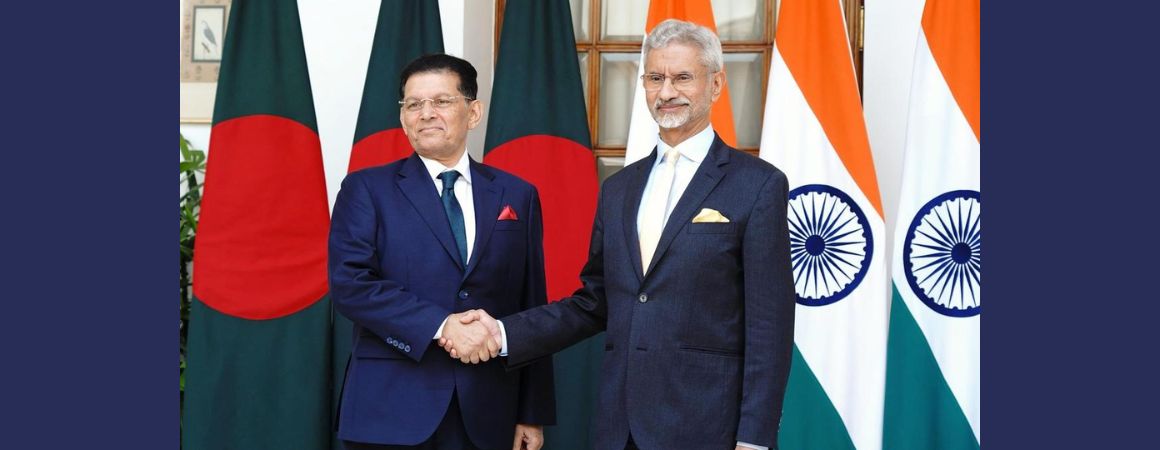
The request had been made by the previous caretaker government under the India-Bangladesh extradition treaty and Mr. Khalilur Rahman’s comments confirm the new BNP government intends to take the process forward. Mr. Rahman held talks with National Security Advisor (NSA) Ajit Doval and External Affairs Minister S. Jaishankar during his visit to Delhi this week, before travelling to Mauritius to attend the 9th Indian Ocean Conference.
“We have already asked for [Sheikh Hasina’s] return under our extradition treaty. We reiterated that,” Mr. Rahman said, responding to a question about the issue. “I am not disclosing everything because I cannot,” he said in a short interview before leaving for Dhaka.
The MEA did not respond to a request for a comment on India’s response to the request made during talks. An MEA statement issued after Mr. Rahman’s talks with Mr. Jaishankar said that that the two sides agreed to “explore proposals for deepening the partnership through the relevant bilateral mechanisms”, without giving specific outcomes, and said “follow-on meetings” would take place at an early date.
Mr. Khalilur Rahman said that he was “reasonably optimistic” about bilateral relations after his meetings in Delhi.
“The leaders of our two countries, my PM Tarique Rahman and Indian PM Narendra Modi had not only exchanged letters, they also spoke, and both want to advance the relationship. It is a relationship of consequence to both countries and we talked about how to carry it forward. I hope that we will do this in the next few weeks”, he said.
When asked if PM Tarique Rahman, who took office in February would make a visit to India soon, Mr. Khalilur Rahman said, “there will be a visit, but we have not yet finalized the dates. In the run up to the visit there will be many activities.”
Mr. Khalilur Rahman’s comments, and outlook of future high-level exchanges is significant given that his “stop-over” visit to Delhi was the first such outreach between India and the new Bangladesh government after tensions with the Yunus administration, and a lack of engagement with the BNP during Ms. Hasina’s tenure.
Ms. Hasina has been living in Delhi since she fled violent protests in Dhaka on August 5, 2024. In November 2025, days after Mr. Khalilur Rahman had visited Delhi in his previous capacity as National Security Advisor in the caretaker Yunus administration, Bangladesh’s Ministry of Foreign Affairs said it had sent a formal letter seeking the extradition of Ms. Hasina and former Home Minister Asaduzzaman Khan Kamal after they were convicted by a Bangladeshi tribunal. At the time, MEA spokesperson Randhir Jaiswal had said the request was being “examined as part of ongoing judicial and internal legal processes” and that India remains committed to the best interests of the people of Bangladesh”.
During talks in Delhi, Bangladesh had also raised the issue of restarting visas that have been restricted by India in the past year and held discussions on energy supplies given shortages due to the war in West Asia.
“We haven’t seen anything yet- it will get worse. There is no absolutely no way of confronting this crisis alone because the effects will reverberate through the years,” Mr. Khalilur Rahman said, when asked by The Hindu about regional responses to the crisis. “The 1970s double oil crises (1973 Yom Kippur War and 1979 Iranian revolution) led to the 1980s as a lost decade of development. We must band together or we individually suffer,” he said, and that Bangladesh was eager to work on BIMSTEC, that it is chairing this year, and SAARC (which has been suspended due to India-Pakistan tensions over cross-border terrorism).
“If we all work together and remove the reasons why certain countries don’t want to participate—there will be no objection if we hold a SAARC summit. It is all about reaching out,” Mr. Khalilur Rahman said, referring to India’s refusal to attend the summit due to Pakistan’s continued support to terror attacks.
Reiterated demand for Hasina extradition with India: Bangladesh Foreign Minister Rahman
Bangladesh FM Khalilur Rahman says more meetings ahead of PM Tarique Rahman’s visit, outlooks regional cooperation amidst West Asia crisis
Bangladesh “reiterated” its demand for former Prime Minister Sheikh Hasina’s extradition during talks in Delhi, said Bangladesh Foreign Minister Khalilur Rahman in Port Louis, Mauritius, on Friday (April 10, 2026), also outlooking a visit by newly sworn in Prime Minister Tarique Rahman to India.
The request had been made by the previous caretaker government under the India-Bangladesh extradition treaty and Mr. Khalilur Rahman’s comments confirm the new BNP government intends to take the process forward. Mr. Rahman held talks with National Security Advisor (NSA) Ajit Doval and External Affairs Minister S. Jaishankar during his visit to Delhi this week, before travelling to Mauritius to attend the 9th Indian Ocean Conference.
“We have already asked for [Sheikh Hasina’s] return under our extradition treaty. We reiterated that,” Mr. Rahman said, responding to a question about the issue. “I am not disclosing everything because I cannot,” he said in a short interview before leaving for Dhaka.
The MEA did not respond to a request for a comment on India’s response to the request made during talks. An MEA statement issued after Mr. Rahman’s talks with Mr. Jaishankar said that that the two sides agreed to “explore proposals for deepening the partnership through the relevant bilateral mechanisms”, without giving specific outcomes, and said “follow-on meetings” would take place at an early date.
Mr. Khalilur Rahman said that he was “reasonably optimistic” about bilateral relations after his meetings in Delhi.
“The leaders of our two countries, my PM Tarique Rahman and Indian PM Narendra Modi had not only exchanged letters, they also spoke, and both want to advance the relationship. It is a relationship of consequence to both countries and we talked about how to carry it forward. I hope that we will do this in the next few weeks”, he said.
When asked if PM Tarique Rahman, who took office in February would make a visit to India soon, Mr. Khalilur Rahman said, “there will be a visit, but we have not yet finalized the dates. In the run up to the visit there will be many activities.”
Mr. Khalilur Rahman’s comments, and outlook of future high-level exchanges is significant given that his “stop-over” visit to Delhi was the first such outreach between India and the new Bangladesh government after tensions with the Yunus administration, and a lack of engagement with the BNP during Ms. Hasina’s tenure.
Ms. Hasina has been living in Delhi since she fled violent protests in Dhaka on August 5, 2024. In November 2025, days after Mr. Khalilur Rahman had visited Delhi in his previous capacity as National Security Advisor in the caretaker Yunus administration, Bangladesh’s Ministry of Foreign Affairs said it had sent a formal letter seeking the extradition of Ms. Hasina and former Home Minister Asaduzzaman Khan Kamal after they were convicted by a Bangladeshi tribunal. At the time, MEA spokesperson Randhir Jaiswal had said the request was being “examined as part of ongoing judicial and internal legal processes” and that India remains committed to the best interests of the people of Bangladesh”.
During talks in Delhi, Bangladesh had also raised the issue of restarting visas that have been restricted by India in the past year and held discussions on energy supplies given shortages due to the war in West Asia.
“We haven’t seen anything yet- it will get worse. There is no absolutely no way of confronting this crisis alone because the effects will reverberate through the years,” Mr. Khalilur Rahman said, when asked by The Hindu about regional responses to the crisis. “The 1970s double oil crises (1973 Yom Kippur War and 1979 Iranian revolution) led to the 1980s as a lost decade of development. We must band together or we individually suffer,” he said, and that Bangladesh was eager to work on BIMSTEC, that it is chairing this year, and SAARC (which has been suspended due to India-Pakistan tensions over cross-border terrorism).
“If we all work together and remove the reasons why certain countries don’t want to participate—there will be no objection if we hold a SAARC summit. It is all about reaching out,” Mr. Khalilur Rahman said, referring to India’s refusal to attend the summit due to Pakistan’s continued support to terror attacks.




NO COMMENT